
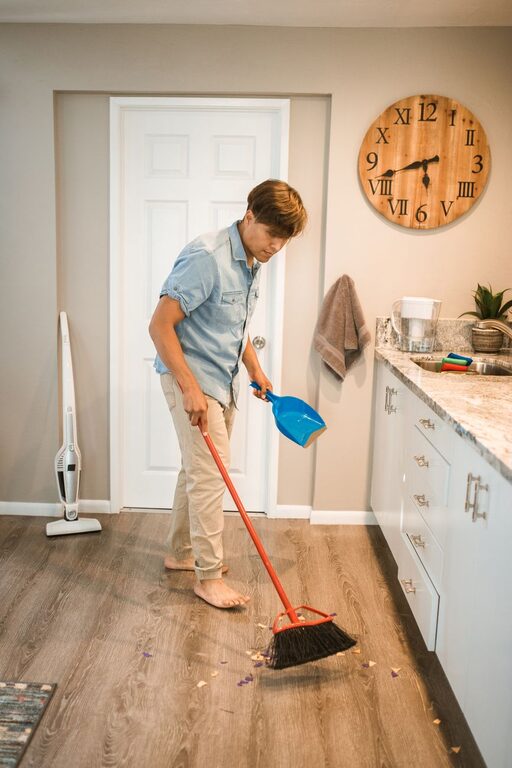
Household chores are a regular part of life, but they do not have to take over your day. Cleaning, laundry, dishes and other tasks can feel difficult when they build up or when there is no clear plan for handling them.
A few simple changes can make chores easier to start and finish. The goal is not to keep your home perfect at all times. Instead, focus on creating manageable routines that reduce clutter, save time and make daily tasks feel more predictable.
Start with a realistic plan
A long list of chores can quickly become overwhelming. Begin by writing down the tasks that need to be done, then divide them into smaller groups.
For example, you might have:
– Daily tasks, such as washing dishes and wiping kitchen benches
– Weekly tasks, such as vacuuming and changing sheets
– Occasional tasks, such as cleaning windows or sorting cupboards
– Seasonal tasks, such as preparing outdoor areas for warmer weather
Once everything is written down, decide which tasks are essential and which can wait. This helps you focus on what matters most instead of trying to do everything at once.
It can also help to create a short daily list with two or three priorities. A smaller list is easier to complete and gives you a clear sense of progress.
Break large jobs into smaller steps
Some chores feel difficult because they include several separate jobs. Rather than writing “clean the house”, break it into specific actions.
A kitchen cleaning list might include:
- Put food away.
- Load or wash the dishes.
- Wipe the benches.
- Clean the stovetop.
- Sweep the floor.
You do not necessarily need to complete every step in one session. Even one or two completed tasks can make the room feel better.
When a job is particularly unpleasant, try working on it for just five or ten minutes. Getting started is often the hardest part. Once you are moving, you may choose to continue, but you do not need to commit to finishing the whole task immediately.
Use a simple chore schedule
A regular schedule reduces the need to decide what to do each day. You can use a notebook, calendar, phone reminder or shared household app.
A basic weekly plan could look like this:
Every day
– Clear the kitchen bench
– Put items back in their usual places
– Deal with dishes
– Do a quick tidy of high-use areas
Once or twice a week
– Vacuum or sweep floors
– Clean the bathroom
– Wash towels
– Change bed linen
– Take out rubbish and recycling
Once a month
– Wipe cupboard doors
– Clean appliances
– Sort one drawer or shelf
– Check supplies such as washing powder and cleaning products
Keep the schedule flexible. If a task cannot be done on its usual day, move it rather than abandoning the plan. A useful routine should support your household, not create extra pressure.
Keep frequently used supplies nearby
Chores take longer when you have to search for everything you need. Store basic cleaning supplies close to the areas where they are used, while following any safety instructions on the product labels.
For example:
– Keep kitchen cloths and surface cleaner near the kitchen.
– Store bathroom supplies in a suitable nearby cupboard.
– Place a laundry basket where clothes are usually removed.
– Keep a small bin in rooms where rubbish tends to collect.
Avoid keeping too many products. A small collection of useful supplies is often easier to manage than a crowded cupboard full of items you rarely use. Label storage areas if several people share the home, so everyone knows where things belong.
Make tidying part of your routine
Small habits can prevent mess from building up. Instead of waiting for a large cleaning session, add quick tidy-ups to activities you already do.
You could:
– Put dishes away while the kettle boils.
– Wipe the bathroom basin after brushing your teeth.
– Return items to their storage place after using them.
– Sort mail as soon as it arrives.
– Do a quick floor check before going to bed.
– Carry items to another room when you leave the space.
These actions take only a short time, but they can make larger cleaning jobs less frequent and less demanding.
Try the one-touch approach
The one-touch approach means dealing with an item as soon as possible instead of moving it from one temporary place to another.
For example, when you receive mail, you can:
– Recycle unwanted paper.
– Put important documents in a designated folder.
– Place bills or forms in a space for action.
– File items that need to be kept.
The same idea works for clothes, toys, dishes and shopping. If an item has a clear home, putting it away immediately can prevent piles from forming.
This approach does not need to be followed perfectly. Use it where it feels practical, particularly for items that tend to create clutter.
Share chores fairly
Chores are easier when responsibility is shared. If you live with other people, discuss the regular tasks and agree on who will handle them.
Rather than assigning every job permanently, you could:
– Divide tasks by room.
– Take turns with less popular chores.
– Match tasks to people’s schedules.
– Let children take on age-appropriate responsibilities.
– Use a visible list so everyone knows what has been done.
Clear expectations help avoid confusion. It is also useful to agree on what “finished” means. For example, doing the dishes might include wiping the bench and putting food away, or it might mean only washing the dishes. Discussing these details can prevent misunderstandings.
Use timed cleaning sessions
A timer can make chores feel more contained. Set it for 10, 15 or 20 minutes and work on one area until the time ends.
During the session, focus on visible improvements rather than trying to clean perfectly. You might collect rubbish, clear surfaces, fold clothes or sweep the floor.
When the timer finishes, stop or take a break. Knowing there is a clear end point can make it easier to begin. You can also repeat the session later if more work is needed.
Reduce the amount of cleaning required
One of the most effective ways to make chores manageable is to reduce the number of items and messes that need attention.
Consider:
– Donating or recycling items you no longer use.
– Limiting duplicate kitchen equipment.
– Keeping surfaces as clear as possible.
– Using baskets for items that do not yet have a storage place.
– Choosing easy-care fabrics where suitable.
– Creating a regular system for papers and small belongings.
Decluttering does not need to happen all at once. Choose one drawer, shelf or corner and work through it in a short session. Small improvements can make everyday cleaning much easier.
Plan for busy days
Some days leave little time or energy for household jobs. Prepare a minimum routine for these occasions.
Your busy-day version might include:
– Washing only the essential dishes.
– Clearing one main surface.
– Putting rubbish in the bin.
– Starting one load of laundry if needed.
– Spending five minutes returning items to their places.
This keeps basic tasks under control without expecting a full cleaning session. When you have more time, you can return to the less urgent jobs.
Aim for progress, not perfection
A tidy and clean home looks different for every household. Chores are more manageable when you focus on what helps you live comfortably, rather than trying to meet an unrealistic standard.
Choose routines that fit your space, schedule and household. Start with one or two changes, such as a short daily tidy or a simple weekly plan. Once those habits feel familiar, add another if needed.
The best chore system is one you can use consistently. Small, regular actions can make a noticeable difference and help household tasks feel like a normal part of the day instead of an overwhelming project.