
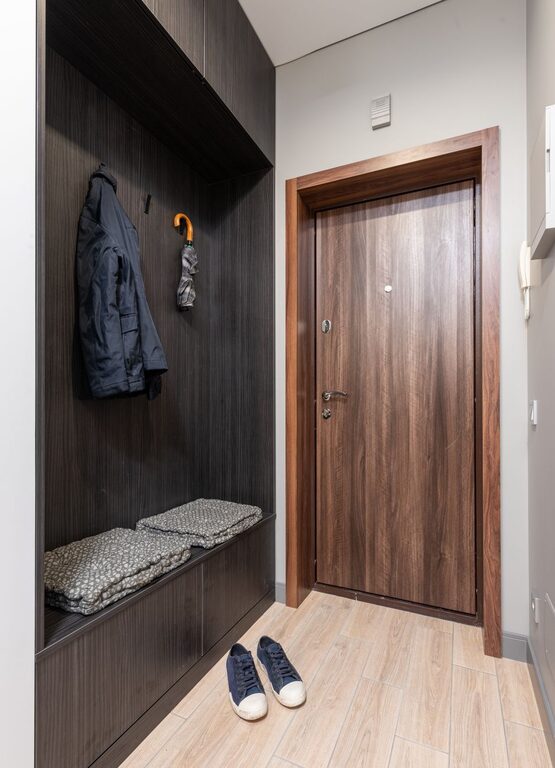
Make your entryway work for everyday life
The entryway is often the first part of your home that guests see and the last place you pass before heading out. It can quickly become crowded with shoes, coats, bags, mail and small items that do not seem to have a proper home.
A well-organised entryway does not need to be large or expensive. The key is to make space for the things you use most often and give each item a clear place to go. With a few simple changes, you can create an area that feels calm, practical and welcoming.
Start with a quick clear-out
Before adding storage, remove everything from the entryway. This gives you a clear view of what is taking up space and helps you decide what truly belongs there.
Sort the items into a few simple groups:
– Things you use every day
– Items needed occasionally
– Things that belong in another room
– Items to donate, recycle or throw away
– Lost items that need to be returned to their owners
Be realistic about how much you use. If several pairs of shoes or coats are rarely worn, store them elsewhere. Keeping only everyday essentials near the door will make the area easier to maintain.
This is also a good time to clean the floor, wipe down surfaces and remove dust from corners. Starting with a clean space makes the rest of the organising process much easier.
Create a drop zone
A drop zone is a small, designated area for the items you carry in and out of the house. It helps prevent belongings from spreading across benches, floors and nearby furniture.
A useful drop zone might include:
– A tray for keys, sunglasses and small items
– A hook for each regularly used bag
– A basket for hats, gloves or scarves
– A small shelf for parcels or mail
– A charging point for devices, if suitable for your space
Keep the drop zone close to the door but avoid placing too many items in it. The goal is to make putting things away quick and natural, not to create another cluttered surface.
A shallow tray is especially useful because it gives small items clear boundaries. Choose one that is easy to lift and clean.
Use wall space wisely
When floor space is limited, look upwards. Walls can hold coats, bags, hats and other everyday items without making the entryway feel crowded.
Hooks are one of the easiest storage solutions. Install them at a comfortable height and use separate hooks for different family members. This can make it easier for everyone to put their own belongings away.
You could also add:
– A narrow floating shelf
– A pegboard with moveable hooks
– A wall-mounted basket
– A small noticeboard
– A mirror with a slim shelf underneath
Make sure wall-mounted storage is securely fixed, particularly if it will hold heavy bags or several coats. Keep frequently used items within easy reach and place occasional items higher up.
Give shoes a clear home
Shoes are one of the main causes of entryway clutter. A dedicated shoe area can keep pairs together and prevent them from collecting near the door.
Depending on your available space, consider:
– A slim shoe rack
– A bench with storage underneath
– Stackable shoe boxes
– Open baskets for casual footwear
– A cupboard for a neater appearance
Only keep the shoes you wear regularly in the entryway. Seasonal footwear and special-occasion shoes can be stored in a wardrobe or another suitable area.
If wet or muddy shoes are common, place a washable mat or tray near the entrance. This protects the floor and makes cleaning easier. Allow damp footwear to dry properly before placing it in closed storage.
Add a place to sit
A seat can make the entryway more comfortable and practical, especially when putting on or removing shoes. It does not need to be a large bench. A small stool, compact chair or storage ottoman can work well.
Choose seating that suits the size of the space. In a narrow entryway, a slim bench may provide enough room without blocking the walkway. If possible, select a seat with hidden storage for shoes, bags or seasonal accessories.
Keep the area underneath the seat organised. Use one or two baskets rather than allowing items to collect in a loose pile. Labelled baskets can help family members know where their belongings belong.
Organise coats and accessories
Coats, jackets and accessories are easier to manage when they are grouped together. Avoid filling every hook, as overcrowded hooks make items harder to find and encourage more mess.
Try assigning storage by category:
– Everyday coats on the main hooks
– Rainwear on a separate hook
– Hats and scarves in a basket
– Reusable shopping bags in one container
– Umbrellas in a tall stand or sturdy container
If you have children, use lower hooks or a child-friendly rail so they can put away their own belongings. This makes the system more accessible and encourages good habits.
Rotate items as the seasons change. Store heavy winter coats when warmer weather arrives, then bring them back when needed.
Manage mail and paperwork
Mail can quickly turn a tidy entryway into a cluttered one. Create a simple system that stops paperwork from building up.
You might use:
– A wall-mounted letter holder
– Two trays marked “To sort” and “To action”
– A small recycling box for unwanted mail
– One folder for important documents
Sort the mail regularly rather than letting it accumulate. Recycle unwanted paper as soon as possible and move important documents to a more suitable filing area.
Try not to keep too much paperwork in the entryway. This area is best used for short-term sorting, not long-term storage.
Use baskets to control small items
Baskets are useful because they hide visual clutter while keeping items easy to reach. Choose baskets that fit your storage area and use them for specific purposes.
For example, one basket could hold winter accessories, another could store dog-walking items, and a third could be used for reusable bags. Avoid creating a basket for every possible category, as too many containers can make the space harder to manage.
Open baskets are best for items you use often. Lidded boxes can be useful for less frequently used items or belongings you want to keep dust-free.
Keep the décor simple
An organised entryway should also feel pleasant. A mirror can make a small area appear brighter and gives you a useful spot for a final check before leaving. A plant, artwork or small decorative object can add personality without taking up much room.
Choose practical décor that does not interfere with storage or movement. Avoid placing fragile items where bags, shoes or coats are likely to knock them over.
Light colours can help a narrow entryway feel more spacious, while a patterned runner can add warmth and help protect the floor. Choose materials that are easy to clean, particularly in homes with children or pets.
Build a simple maintenance routine
Even the best system needs regular attention. Set aside a few minutes each week to return items to their proper places.
A quick entryway reset might include:
– Pairing and storing shoes
– Hanging coats and bags
– Sorting mail
– Emptying baskets
– Wiping surfaces
– Removing items that belong elsewhere
Every few months, review the storage system and adjust it if your needs have changed. If one basket is always overflowing or a hook is never used, the arrangement may need to be updated.
The most effective entryway is one that matches your routines. Keep everyday items easy to access, store occasional belongings elsewhere and make sure every frequently used item has a clear home. Small, consistent changes can turn a busy entrance into an organised and welcoming part of your home.